

Troubleshooting Abnormal Dielectric Loss Results: A Diagnostic Guide for Oil Testing Engineers
Troubleshooting Abnormal Dielectric Loss Results: A Diagnostic Guide for Oil Testing Engineers
You run a dielectric loss test on transformer oil and the result is far outside expectations. The oil was fine six months ago. Is the oil genuinely degraded, or is something wrong with the measurement? An insulating oil dielectric loss tester produces a number, but interpreting that number requires systematic elimination of error sources. This guide provides a structured troubleshooting workflow.
Step 1: Verify the Instrument
Before questioning the oil, question the instrument. Perform these checks:
- Calibration status: When was the cell constant last verified? Was the temperature sensor calibrated within 12 months?
- Reference check: Run a reference oil standard with known tan δ. If the reading deviates by more than 5%, the instrument requires recalibration.
- Temperature accuracy: Insert an independent thermometer into the cell. Compare with the tester's displayed temperature. Deviation above 0.5°C invalidates results.
- Cell cleanliness: Residual contamination from a previous high-loss sample can elevate readings. Run a blank test with new reference oil.
- Voltage stability: Verify the AC test voltage matches the setpoint. A failing high-voltage transformer can produce erratic readings.
Step 2: Question the Sample
If the instrument is verified, examine the sample. Most abnormal results originate here:
- Visual inspection: Is the oil cloudy (moisture), dark (oxidation), or containing sediment (particulate)?
- Container integrity: Was the sample bottle sealed properly? Any signs of leakage or condensation?
- Sampling location: Was the sample drawn from a drain valve at the tank bottom? Bottom samples overrepresent water and sludge.
- Flushing adequacy: How much oil was flushed before collection? Insufficient flushing leaves stagnant contaminated oil.
- Time since sampling: Was the sample tested within 24 hours? Delayed testing allows moisture absorption and oxidation.
- Sample temperature history: Was the sample exposed to extreme heat or cold during transport?
Step 3: Cross-Check with Complementary Tests
An insulating oil dielectric loss tester result in isolation is ambiguous. Cross-check with:
- Moisture (Karl Fischer): High moisture explains high tan δ. If moisture is low, another cause exists.
- Breakdown voltage: Low BDV with high tan δ confirms contamination. Normal BDV with high tan δ suggests polar aging products.
- Acidity: High acidity indicates oxidation. Tan δ rises with acid content.
- Interfacial tension: Low IFT confirms polar contamination.
- Dissolved gas analysis: Active fault gases explain rapid tan δ increases.
- Resistivity: Low resistivity points to ionic contamination.
Common Scenarios and Root Causes
Match your situation to these patterns:
- High tan δ, normal moisture, normal acidity, low IFT: Polar oxidation products from aging. Reclamation recommended.
- High tan δ, high moisture, normal acidity: Moisture ingress from degraded seals. Dehydration required.
- High tan δ, high acidity, dark oil: Advanced oxidation with sludge formation. Consider oil replacement.
- High tan δ, elevated DGA gases: Active fault generating polar by-products. Investigate fault source.
- High tan δ only in bottom sample, normal in mid-tank sample: Stratification. Sediment or free water at tank bottom. Retest mid-tank.
- Suddenly high tan δ after years of stability: Suspect sampling error or recent contamination event. Retest with fresh sample.
Step 4: Repeat the Measurement
Before declaring the oil degraded, repeat the test with a fresh sample:
- Draw a new sample from a different location (mid-tank if previous was bottom).
- Flush thoroughly—at least 3 liters.
- Use a new, certified-clean container.
- Test within 4 hours using the same insulating oil dielectric loss tester.
- Compare results. Agreement within ±10% confirms the original finding. Disagreement indicates sampling variability.
Step 5: Investigate Transformer History
If the oil is genuinely degraded, determine why. Review:
- Loading history: Sustained overloads accelerate oil aging.
- Temperature records: Hot spots above 110°C degrade oil rapidly.
- Maintenance records: When was oil last treated or replaced?
- Breather condition: Failed silica gel allows moisture ingress.
- Cooling system: Malfunctioning cooling raises oil temperature and oxidation rate.
- Fault history: Prior faults may have left residual contamination.
When to Escalate
Escalate to specialist investigation when:
- Tan δ exceeds 0.020 and continues rising despite treatment.
- DGA indicates active arcing or partial discharge.
- Multiple transformers in the same fleet show simultaneous tan δ increases (suggests systematic oil supply issue).
- Tan δ increases rapidly (doubling within 6 months) without explanation.
- Oil treatment fails to reduce tan δ by at least 50%.
Documenting the Troubleshooting Process
Record every step: instrument checks, sampling details, complementary test results, and repeat measurements. This documentation supports maintenance decisions and identifies recurring problems. An insulating oil dielectric loss tester with data logging simplifies this record-keeping. When you can demonstrate that measurement error has been eliminated, the remaining data speaks with authority about oil condition.
Conclusion: Systematic Thinking Prevents Wrong Decisions
An abnormal dielectric loss result is a signal, not a verdict. The insulating oil dielectric loss tester reports what it measures, but the engineer must determine what that measurement means. By systematically checking the instrument, questioning the sample, cross-referencing complementary tests, and repeating measurements, you distinguish true oil degradation from measurement artifacts. This discipline prevents unnecessary oil replacement and, more critically, prevents ignoring genuine degradation that demands immediate action.
 Troubleshooting Abnormal Dielectric Loss Results: A Diagnostic Guide for Oil Testing Engineers
Dielectric Loss Testing for Instrument Transformers and Bushings: Small Oil Volume, Big Challenges
Troubleshooting Abnormal Dielectric Loss Results: A Diagnostic Guide for Oil Testing Engineers
Dielectric Loss Testing for Instrument Transformers and Bushings: Small Oil Volume, Big Challenges
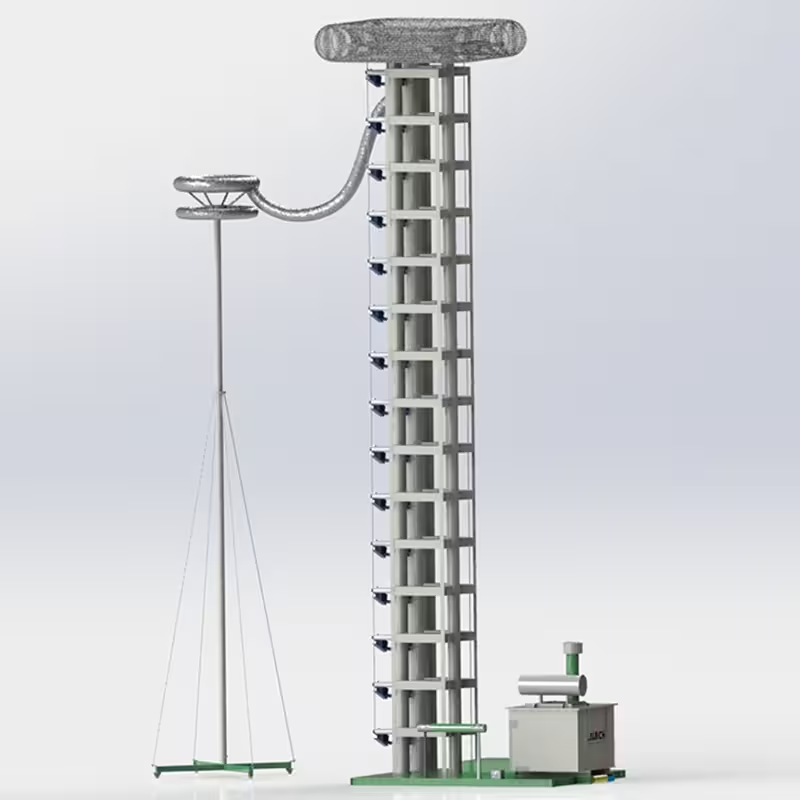 Impulse Voltage Testing of Power Transformers Using HV Lightning Impulse Generator Systems
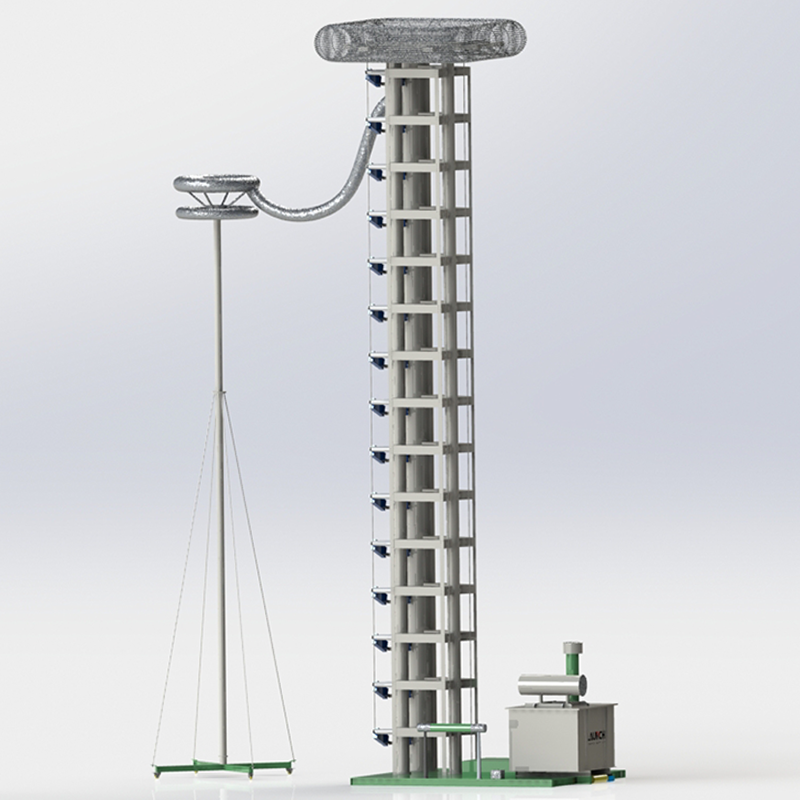 Troubleshooting Common Faults in HV Lightning Impulse Voltage Generator Systems